


Tensions between the United States and Iran over the Strait of Hormuz are not just diplomatic but deeply rooted in legal disagreements over maritime laws. The strategic waterway, which handles nearly 20% of global oil supply, has become a focal point of conflicting interpretations of international law, increasing uncertainty in global trade and crude oil transportation.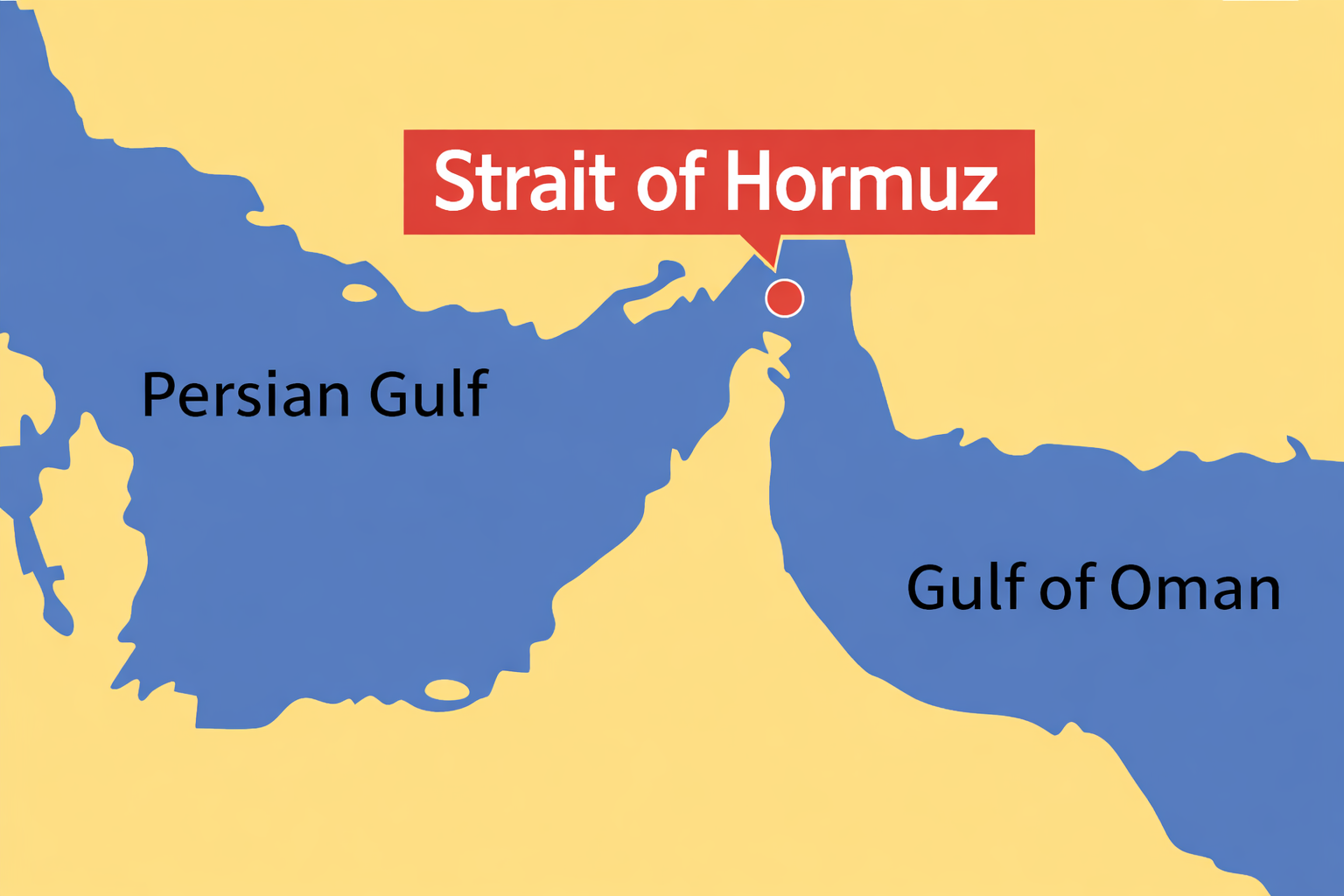
Diverging Legal Interpretations
According to maritime law experts, Washington and Tehran operate under fundamentally different legal frameworks regarding the “Law of the Sea.” The United States considers the Strait of Hormuz an international waterway, ensuring free navigation for all vessels. In contrast, Iran views it as part of its territorial waters. The U.S. considers Iran’s attempts to impose tolls on passing ships illegal, while Iran condemns U.S. actions, including blockades under former President Donald Trump, as serious violations of its sovereignty.
Absence of UNCLOS Ratification
The core of the dispute lies in the United Nations Convention on the Law of the Sea (UNCLOS), adopted in 1982 and enforced in 1994, which aims to regulate international maritime conduct. Interestingly, despite being implemented by 171 countries and the European Union, neither the United States nor Iran has formally ratified the agreement. This lack of mutual legal commitment leaves no universally accepted framework to resolve disputes, especially in times of heightened tensions.
“Innocent Passage” vs “Transit Passage”
Iran relies on older international norms, such as the 1958 Territorial Seas Convention, granting foreign ships only the right of “innocent passage.” This allows vessels to pass peacefully without threatening security, but Iran maintains it can suspend this right within its territorial waters.
On the other hand, the United States advocates for “transit passage” under UNCLOS, which ensures uninterrupted navigation, including the movement of ships, aircraft, and submarines through strategic waterways. The U.S. enforces this principle through regular “Freedom of Navigation” operations, rejecting Iran’s claims. Iran, however, argues that since it has historically opposed these newer provisions, they are not applicable to it.
Future Outlook and Trade Implications
The current military tensions and economic disruptions in the Strait of Hormuz are closely tied to this complex legal standoff. Unless both countries agree on a shared legal framework and commit to abiding by it, instability in the region will persist. Prolonged uncertainty could significantly impact global trade flows and disrupt the steady supply of crude oil, affecting economies worldwide.
